Glaucoma

Glaucoma Treatment London

Get in Touch

Private Glaucoma Treatment in London

Have you recently been told you are at risk of glaucoma, or has someone close to you been diagnosed and left you looking for clear answers and reassurance? At Eye Clinic London, we understand how unsettling a glaucoma diagnosis can be and how important it is to receive expert care early. We provide private glaucoma treatment in London with a strong focus on long-term eye health, careful monitoring, and personalised management. Glaucoma is often referred to as the “silent thief of sight” because it can progress slowly and without noticeable symptoms in its early stages. For this reason, early detection and regular follow-up play a vital role in protecting vision.

Glaucoma is not a single condition but a group of eye diseases that affect the optic nerve, which is essential for clear and reliable vision. In many cases, it is associated with raised pressure inside the eye, although glaucoma can also develop when eye pressure is within the normal range. Because vision changes can occur gradually, many people are unaware of the condition until it has already begun to affect their sight.

Our approach is centred on individualised care. Managing glaucoma is usually a lifelong process rather than a one-off treatment, and we take the time to understand your specific risk factors and clinical needs. Using modern diagnostic technology and evidence-based treatments, we develop tailored plans designed to slow progression and preserve vision over the long term. Whether you require routine monitoring, medical treatment, or more advanced intervention, our experienced team is here to guide and support you at every stage. If you have concerns about glaucoma, have noticed changes in your vision, or are due for a comprehensive eye examination, we encourage you to arrange an appointment with us. At Eye Clinic London, your vision remains our priority, and we are committed to helping you protect it with thoughtful, expert, and proactive care.

Recognizing the Symptoms

Recognising the Symptoms

When glaucoma symptoms do appear, they may include blurred vision, halos around lights, eye pain or discomfort, nausea, and a gradual loss of peripheral (side) vision. These changes can develop slowly and may not be obvious at first.

Sudden eye pain, significant visual disturbance, or nausea can indicate an acute rise in eye pressure and require urgent assessment. Any noticeable changes in vision should be checked promptly to help prevent permanent sight loss.

Treatment Options

Managing glaucoma effectively hinges on early detection. Once you have been diagnosed, your treatment may involve prescription eye drops, oral medications, laser therapy, or surgery, all aimed at reducing intraocular pressure to prevent further damage to your optic nerve.

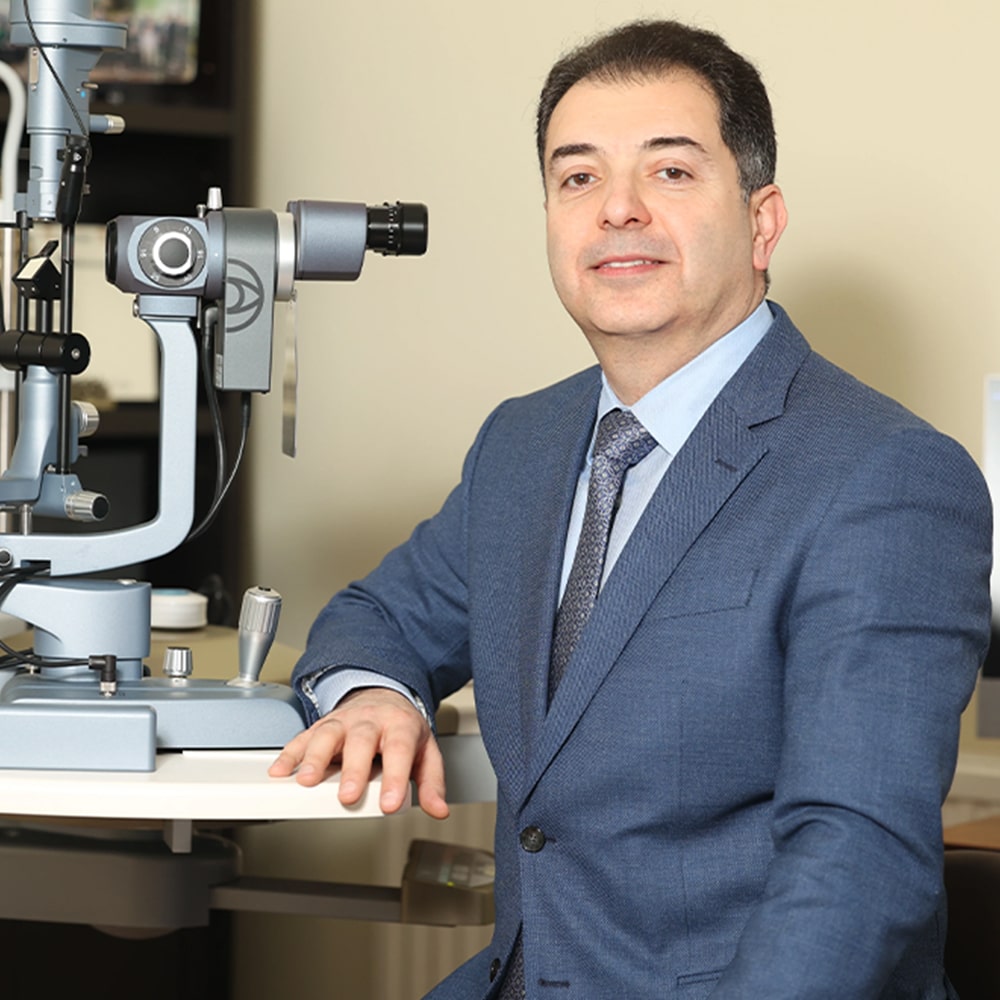
mr samer hamada

Glaucoma Care by Mr Samer Hamada

Mr Samer Hamada brings extensive experience in ophthalmology and a holistic approach to eye care. While his primary expertise lies in cataract, corneal, and refractive treatments, he also has a strong understanding of glaucoma assessment and ongoing eye health management. Where specialised glaucoma input is required, Mr Hamada works closely with a trusted network of glaucoma specialists and colleagues. He ensures appropriate referrals so patients receive the most suitable care for their condition. This collaborative approach reflects his commitment to delivering high-quality, patient-centred glaucoma care as part of a comprehensive eye health service.

Innovative Diagnostics at Eye Clinic London

Innovative Diagnostics at Eye Clinic London

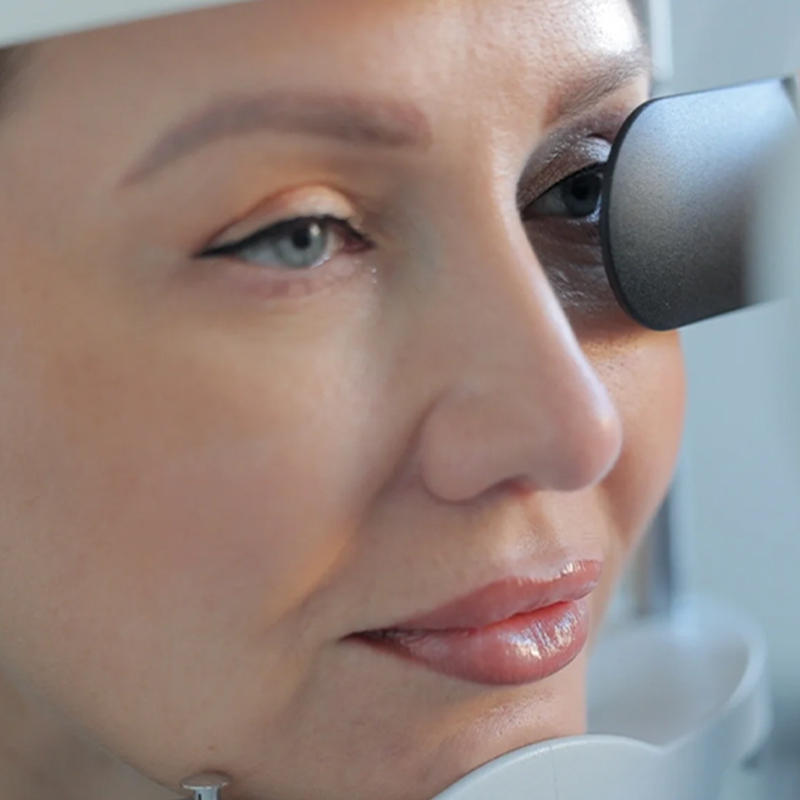
At Eye Clinic London, we are at the forefront of glaucoma care, employing state-of-the-art diagnostic tools to identify glaucoma at its earliest. Our non-invasive imaging technologies allow for detailed views of the optic nerve, enabling precise assessment and monitoring over time.


What Causes Glaucoma?

What Causes Glaucoma?

Glaucoma is a condition caused by damage to the optic nerve. As the nerve becomes more damaged, this starts to negatively affect your vision. A patient may begin to experience blind spots and blurred vision.

The eye can experience increased pressure from a build-up of fluid. Usually, the fluid in your eye would drain through a tissue called the trabecular meshwork. However, when this drainage system becomes blocked, the internal fluid cannot drain at its usual rate, causing the pressure in the eye to build up. While this is the most common cause of glaucoma, patients can also develop the condition if their vascular system is compromised or if the condition runs in their family.

Types of Glaucoma

Open-angle glaucoma

Open-angle glaucoma is the most common form of the condition. The iris of the eye is in a normal position maintaining an open-angle. However, the trabecular meshwork (drainage system) of the eye is thought to be dysfunctional, meaning that the eye cannot drain fluid properly. This can lead to an increase in eye pressure, which eventually may start to damage the optic nerve.

Angle-closure glaucoma

Angle-closure glaucoma occurs when the iris of the eye bulges forward. This causes a blockage of the drainage angle, which is formed between the cornea and iris. This makes it difficult for fluid to circulate outside the eye. The effect is similar to open-angle glaucoma Pressure starts to build up in the eye as the fluid has nowhere to drain, and this may damage the optic nerve.

Developmental glaucoma

Congenital glaucoma, a type of glaucoma present from birth, poses a challenge in symptom recognition due to the young age of the affected baby or child. Common indicators include enlarged eyes resulting from elevated eye pressure, sensitivity to light (photophobia), a cloudy appearance in the eyes, excessive tearing, jerky eye movements, and the presence of a squint—a condition where one eye deviates inwards, outwards, or up/downwards while the other remains focused forward.

What Causes Glaucoma?

Glaucoma Treatment

There are several treatment options available for glaucoma. Whether you have a mild or severe condition will determine the type of treatment you will need. Below is a list of treatment options available with details about what they entail.

  • Eye Drops: Your treatment would often start with eye drops that will be prescribed by your doctor. They help fluid drain from the eye by decreasing the amount of fluid the eyes make or by allowing more fluid to drain through the drainage system.
  • Selective Laser Trabeculoplasty (SLT): This is a form of surgery. It uses an argon laser to improve drainage through the eye’s trabecular meshwork. The procedure takes around five to ten minutes to complete.
  • Minimally Invasive Glaucoma Devices (MIGD): These devices are implanted into the eye to help reduce the amount of pressure. It is a minimally invasive surgery that aims to prevent further damage to your optic nerve.
  • Miotics: Miotics are drugs that cause the pupil to contract. They are mainly used to treat angle-closure glaucoma. Miotics pull the iris away from the trabecular meshwork to improve the drainage system so that fluid can exit the eye at its usual rate.

NICE Guidance in Treating Glaucoma

In January 2022, National Institute for Health and Care Excellence (NICE) recommended new guidance in managing and treating Glaucoma. The new evidence showed outstanding results when treating patients with ocular hypertension (OHT) or chronic open-angle glaucoma (COAG) with Selective Laser Trabeculoplasty (SLT) as a primary, first-line treatment in favour of traditional eye drops. The efficiency of SLT treatment includes a reduction in intraocular pressure, visual field progression and overall health-related quality of life improvement.

Selective laser trabeculoplasty (SLT) is a novel laser technique to stimulate the drainage system of the eye and improve drainage. This is a painless and relatively safe option for you to lower the eye pressure and/or reduce the need for eye drops, especially if you have early to moderate glaucoma or ocular hypertension (high eye pressure but without damage to the optic nerve). According to the latest NICE guidelines, you may be suitable for SLT as a first-line treatment for your glaucoma prior to considering treatment with eye drops. Reducing the need for eye drops may be beneficial for patients who experience side effects from the drops or who don’t want to remember to take drops.

Here at Eye Clinic London, we follow the latest innovations and technology to bring our patients the best types of diagnostics and services.

Eye Clinic London is proud to say we have helped many clients achieve their desired vision goals. So, if you would like to know more about how we can help you and speak to one of our friendly team members, book a consultation today. We aim to respond to your queries as soon as possible.

Frequently Asked Questions

1. What is glaucoma and why does it need ongoing care?

Glaucoma is a group of eye conditions that damage the optic nerve, often linked to raised pressure inside the eye. Because it can progress slowly without obvious symptoms, regular monitoring and long-term management are essential to help preserve vision.

2. How is glaucoma diagnosed?

Diagnosis involves a combination of tests, including eye pressure measurements, optic nerve assessment, visual field testing, and detailed imaging. At Eye Clinic London, these assessments are used to detect glaucoma early and to monitor even small changes over time.

3. What symptoms should I look out for?

Most people with early glaucoma have no symptoms. As the condition progresses, there may be a gradual loss of peripheral vision or blurred vision. Sudden eye pain, halos around lights, or nausea can indicate an acute rise in eye pressure and require urgent assessment.

4. What treatment options are available for glaucoma?

Treatment is tailored to the individual and may include eye drops, laser treatment, or surgery to help control eye pressure. The aim is to slow or stop further damage to the optic nerve rather than restore lost vision.

5. Will glaucoma treatment be lifelong?

In most cases, glaucoma requires ongoing care. Regular follow-up appointments allow treatment to be adjusted as needed and help ensure the condition remains stable over time.

6. Who should consider a glaucoma assessment?

People with a family history of glaucoma, raised eye pressure, increasing age, or certain medical conditions may benefit from regular assessments. Many patients also seek a private glaucoma review for reassurance or closer monitoring.

7. When should I seek urgent help?

Immediate assessment is advised if you experience sudden eye pain, a rapid change in vision, severe headache, or nausea, as these may indicate acute glaucoma.

Finance & Insurance

Discover affordable eye care through our flexible finance and insurance offerings with expert financial guidance at Eye Clinic London. For comprehensive understanding, please contact us.

Our Location

Strategically located in Devonshire Street, Harley Medical District, Marylebone, in the heart of London, our clinic is easily accessible, ensuring that your journey to exceptional eye care is as convenient as possible. Our central position ensures that you can easily reach us from various parts of the city.

Devonshire street in Marylebone is not just an address; it’s a hub of convenience and accessibility. With excellent transport links and a wealth of amenities nearby, your visit to Eye Clinic London will be convenient and hassle-free experience.

Whether you are a local resident or visiting form other parts of UK or abroad, our location will provide you with seamless connection to the private eye doctor in London.

When choosing to travel by public transport please alight at Bond Street Station and walk for 7 mins, alternatively exit at Oxford Circus station or Baker Street Station and walk for 10 mins.

Street parking is available.

Eye Clinic London 7 Devonshire Street
London, W1W 5DY

The McIndoe Centre Holtye Road East
Grinstead RH19 3EB